
Quick Answer: Cash for cars services across New Zealand buy unwanted vehicles of any age, make, or condition — running or not. You get a quote over the phone, they collect the car for free, and you walk away with cash on the spot. Around 150,000 Kiwis sell their end-of-life vehicles this way each year.
What’s in This Guide
- How Cash for Cars Works in NZ
- What Cars Can You Sell?
- How Much Cash Will You Get?
- What Happens to Your Car After You Sell It?
- How to Prepare Your Car for Sale
- Trusted Cash for Cars Buyers Across NZ
- Frequently Asked Questions
How Cash for Cars Works in NZ
Selling a car through a cash for cars service is designed to be fast and hassle-free. Unlike private sales where you deal with tyre-kickers, negotiations, and no-shows, the process here is straightforward.
Step 1: Get a Quote
Call or fill out an online form with your vehicle’s details — make, model, year, and condition. Most operators give you an instant quote over the phone. There’s no obligation, and the quote is based on what your car is genuinely worth.
Step 2: Book a Free Pickup
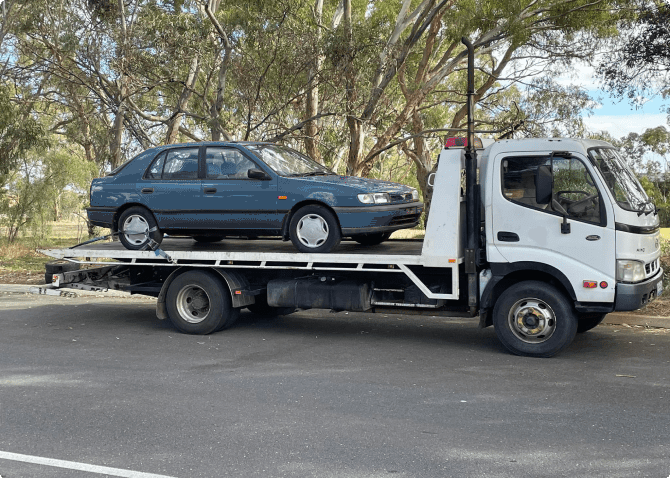
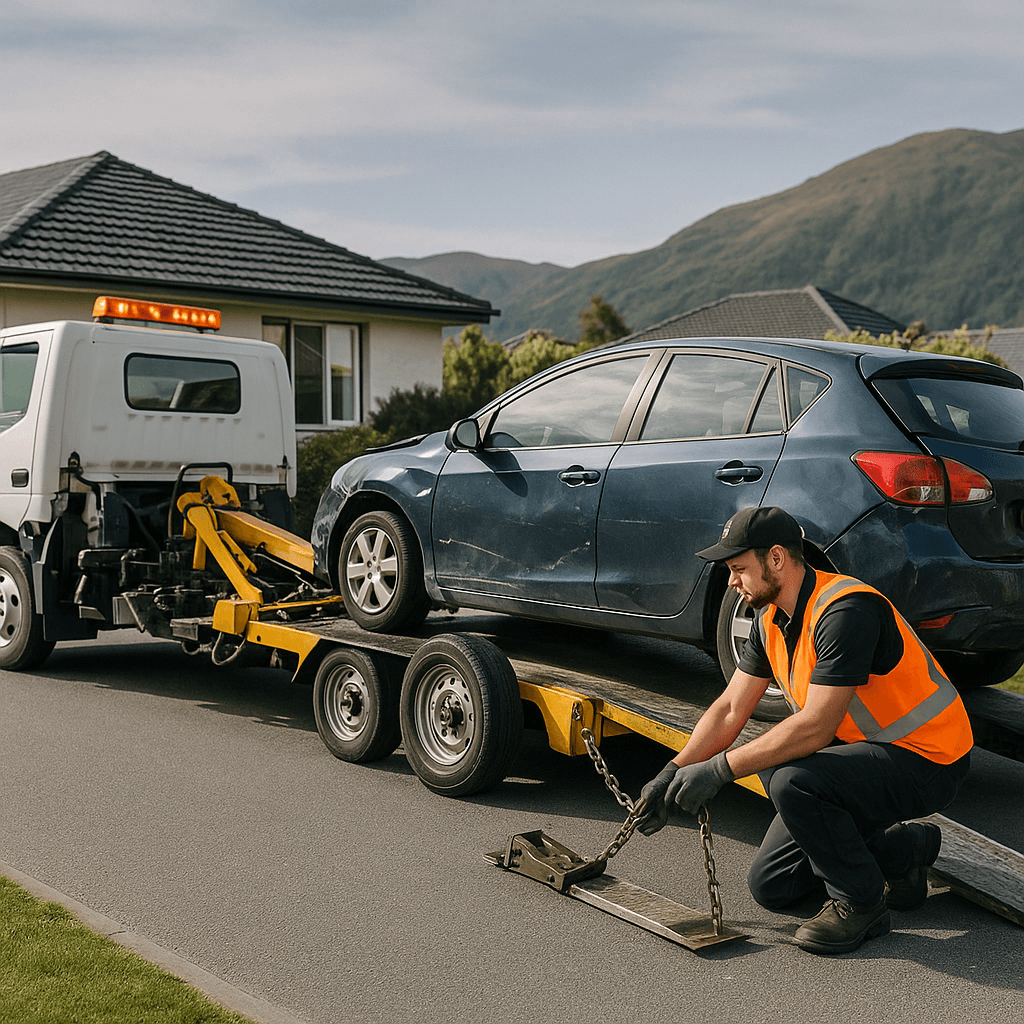
If you’re happy with the price, the buyer arranges free vehicle removal from your home, workplace, or wherever the car is sitting. Many services offer same-day collection, so you don’t have to wait around.
Step 3: Get Paid Cash on the Spot
When the driver arrives, they inspect the vehicle, confirm the quote, and pay you immediately — usually in cash or instant bank transfer. The whole process from phone call to money in hand can happen within a few hours.
What Cars Can You Sell?
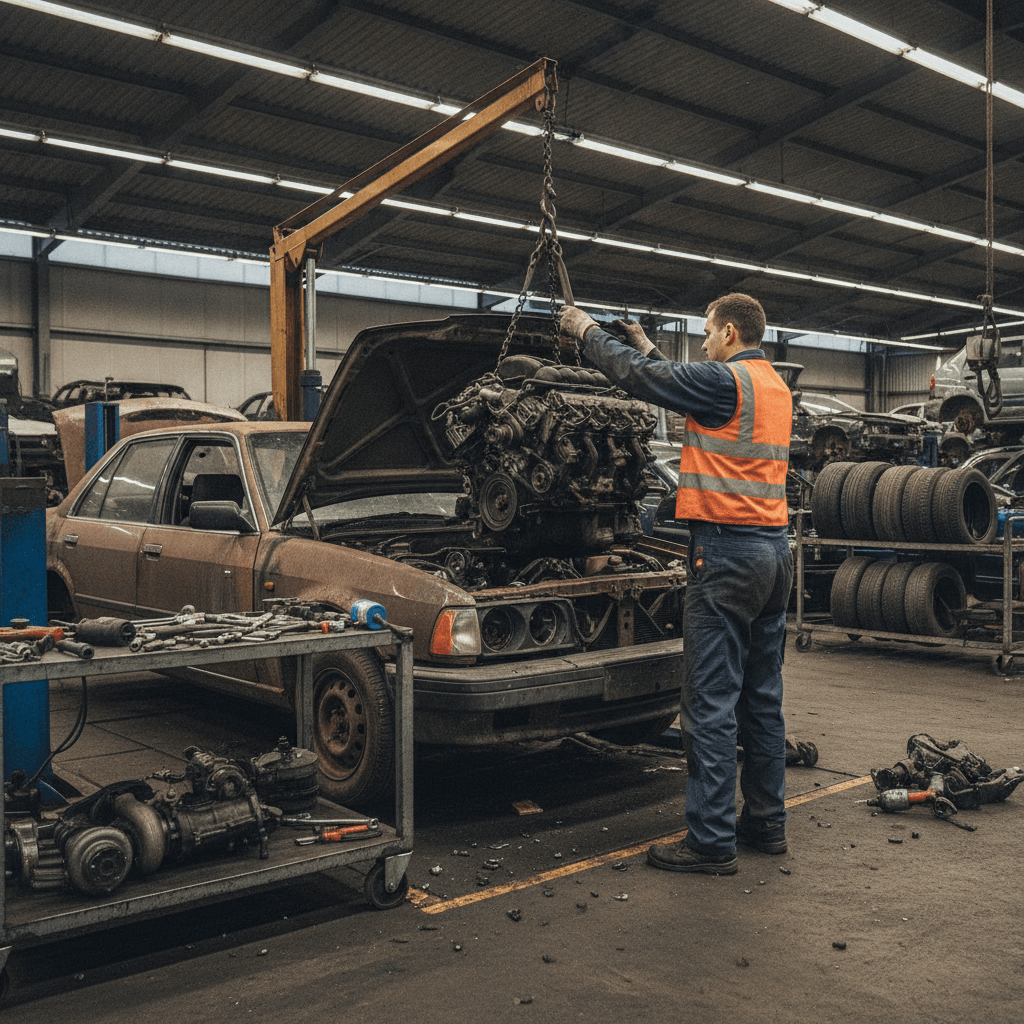
One of the biggest advantages of scrap cars for cash services is that they buy virtually anything with four wheels. You don’t need a WOF, current registration, or even a running engine.
Vehicles Accepted
- Old or high-mileage cars — vehicles past the point where repair costs exceed their value
- Accident-damaged cars — written off or with body damage that’s too expensive to fix
- Cars with no WOF or rego — expired paperwork is no barrier to selling
- Non-running vehicles — dead engine, blown gearbox, or won’t start
- Flood or fire-damaged vehicles — even heavily damaged cars have value
- Vans, utes, 4WDs, and trucks — commercial and larger vehicles often pay more
The only requirements are that you own the vehicle (or have authority to sell it) and that it’s not recorded as stolen. Everything else — rust, dents, mechanical failure, missing parts — is expected and accounted for in the offer.
How Much Cash Will You Get?
This is the question everyone asks first, and the honest answer is: it depends. But here’s what drives the price so you know what to expect.
Factors That Affect Your Payout
| Factor | How It Affects Price |
|---|---|
| Vehicle size and weight | SUVs, utes, and trucks pay more than small hatchbacks due to higher metal content |
| Make and model | Popular Japanese brands (Toyota, Nissan, Honda, Mazda) are worth more because demand for their used components is high |
| Condition | A complete, running car is worth significantly more than a stripped or fire-damaged shell |
| Current metal prices | Scrap steel, aluminium, and copper prices fluctuate with global markets and directly affect offers |
| Year and mileage | Newer vehicles with lower mileage can still have resale-worthy components, pushing the price up |
Typical Price Ranges
As a rough guide for scrap car prices in New Zealand:
- Small hatchback (non-running): $100 – $400
- Mid-size sedan (fair condition): $300 – $1,500
- SUV or 4WD: $500 – $3,000+
- Ute or light truck: $500 – $5,000+
- Late-model or low-mileage vehicle: Up to $10,000+
Industry data from late 2024 put the national average at around $642 for a scrap car, though prices have been trending upward through 2025 and 2026 as global demand for recycled metals has surged.
What Happens to Your Car After You Sell It?
Once you’ve been paid and the tow truck pulls away, your car enters a structured disposal and recycling process. Here’s the short version of where it goes.
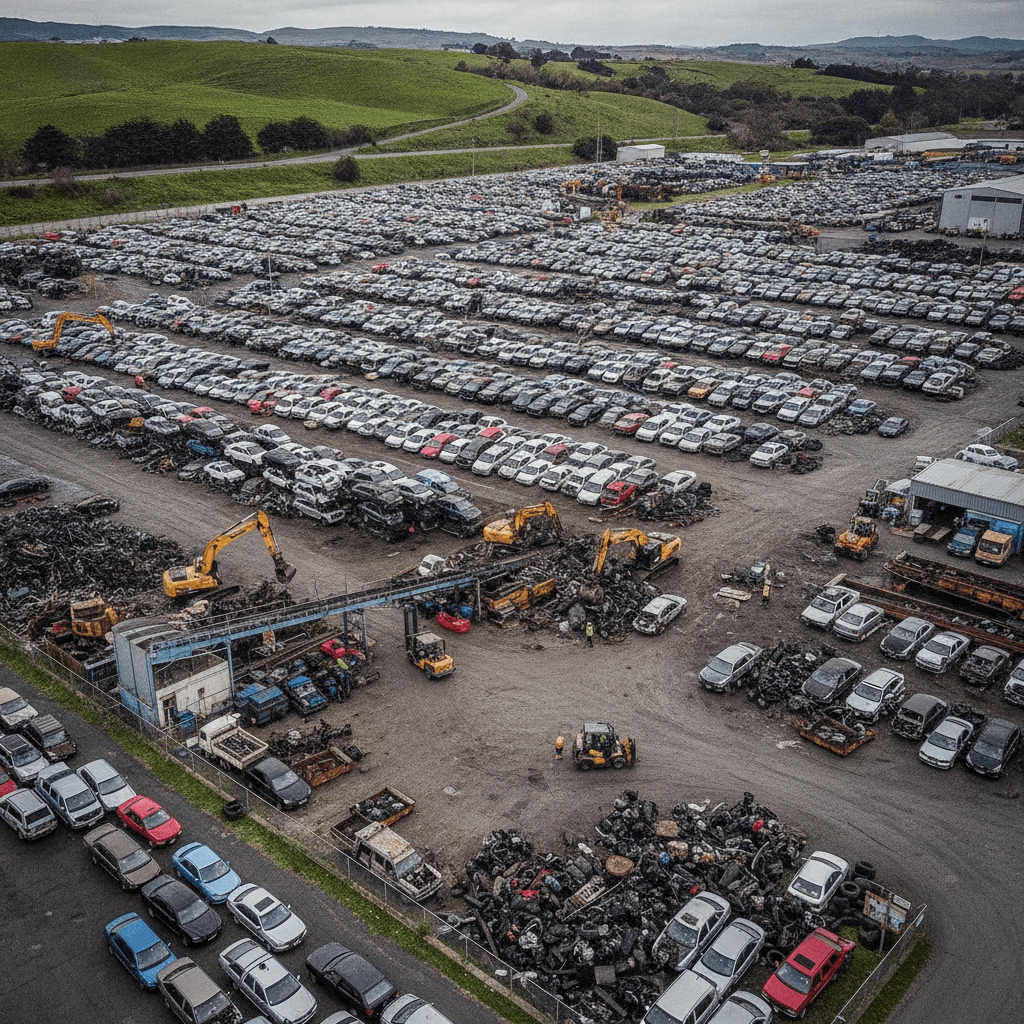
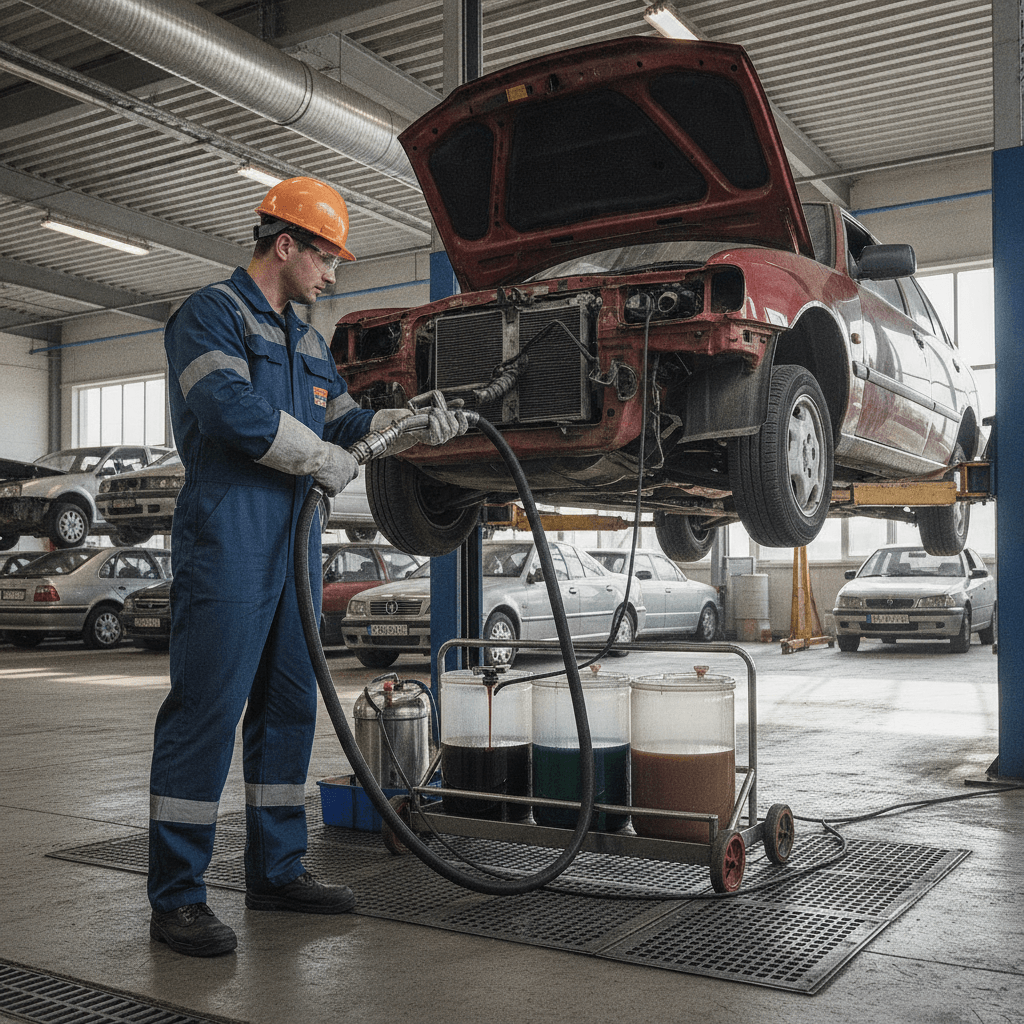
First, all hazardous fluids are drained — engine oil, coolant, brake fluid, fuel, and air-conditioning refrigerant. This prevents contamination and is required by New Zealand’s environmental regulations under the Resource Management Act and HSNO Act.
Next, any components that still have resale value are carefully removed. Engines, gearboxes, alternators, body panels, and electronics are tested and stored for resale as affordable second-hand alternatives to new parts.
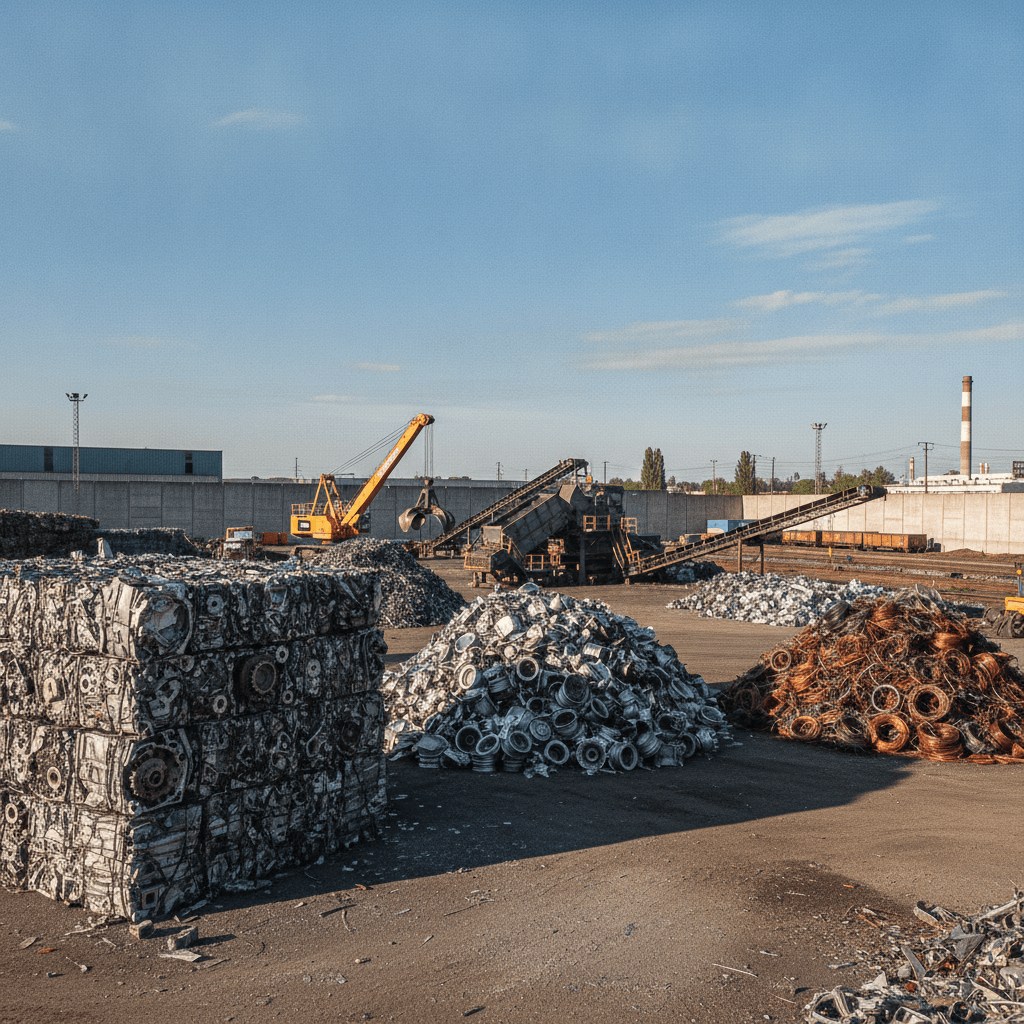
Finally, the stripped shell is crushed and shredded, and the metals are sorted for recycling. Steel goes to smelters, aluminium and copper are separated and sold, and the recovered materials end up in new products. Between 80% and 85% of a vehicle’s weight is recyclable — so selling your car for cash isn’t just good for your wallet, it’s good for the environment.
New Zealand scraps approximately 150,000 vehicles each year from a fleet of 5.88 million. With the average car on our roads sitting at around 14.8 years old — one of the oldest fleets among developed nations — there’s no shortage of vehicles reaching end of life.
How to Prepare Your Car for Sale
You don’t need to do much, but a few steps will make the process smoother and potentially get you a better price.
1. Gather Your Paperwork
Have your vehicle registration (rego) details handy. If you still have the ownership papers, that helps. You’ll also want to deregister the vehicle with Waka Kotahi (NZTA) after the sale so you’re no longer liable for licensing fees.
2. Remove Personal Belongings
Check the glovebox, boot, under seats, and door pockets. It’s easy to leave behind sunglasses, phone chargers, tools, or important documents. Once the car is towed, getting items back is difficult.
3. Remove Plates (If Required)
If you plan to transfer your number plates to another vehicle, remove them before collection. Otherwise, the buyer will typically handle plate disposal.
4. Be Honest About the Condition
When you call for a quote, describe the car accurately. Mention mechanical issues, body damage, missing parts, or flood history. This avoids surprises at pickup and keeps the quoted price reliable. Reputable buyers won’t lowball you on arrival if you’ve been upfront.
Trusted Cash for Cars Buyers Across NZ
Not all cash for cars operators are created equal. Here are three services we recommend across the South Island and lower North Island — all offering free removal, fair pricing, and same-day payment.
Otago — Cash 4 Cars Otago
Based at 30 Devon Street in central Dunedin, Cash 4 Cars Otago buys all makes and models regardless of age or condition. The service covers Dunedin, Queenstown, Oamaru, Wanaka, Mosgiel, and the wider Otago region.
- Phone: 03 660 1297
- Instant quotes over the phone
- Free vehicle removal
- Same-day cash payment
Get a quote from Cash 4 Cars Otago
Wellington — Trentham Wreckers
Located at 1 Dante Road in Trentham, Upper Hutt, Trentham Wreckers is a trusted operator serving the greater Wellington region, including the Hutt Valley, Porirua, Kapiti Coast, and Wairarapa.
- Phone: 022 434 0418
- 24-hour service available
- On-the-spot cash payment
- Free towing included
Christchurch — Cash 4 Cars Christchurch
Operating from 2/62 Saint Asaph Street in Christchurch, Cash 4 Cars Christchurch holds a 5-star rating with over 60 reviews. They cover Christchurch, Rolleston, Rangiora, Kaiapoi, and the wider Canterbury and Selwyn districts.
- Phone: 03 668 3251
- Pays up to $11,990 for vehicles
- Same-day cash payment
- Free vehicle collection
Frequently Asked Questions
How fast can I get cash for my car?
Most services offer same-day pickup and payment. You can call in the morning, have your car collected by afternoon, and walk away with cash in hand. Some operators even offer pickups within an hour in urban areas.
Do I need a WOF or registration to sell my car?
No. Cash for cars buyers purchase vehicles regardless of WOF or registration status. Expired warrant, lapsed rego, or neither — it doesn’t matter. Read our guide on selling a car without a WOF for more detail.
Will I get a fair price for my car?
Reputable operators base their offers on current market value, taking into account the vehicle’s make, model, condition, and weight. Get quotes from two or three services to compare. Avoid anyone who pressures you to accept immediately or changes the price on arrival without good reason.
Do I need to deliver the car myself?
No. Free vehicle collection is standard across the industry. The buyer sends a tow truck or transporter to your location — even if the car is completely dead and can’t be moved under its own power.
What paperwork do I need?
You’ll need proof of ownership and photo ID. It’s also a good idea to deregister the vehicle through Waka Kotahi (NZTA) after the sale to stop your licensing obligations. Many buyers will walk you through the paperwork or handle it for you.
Is it better to sell privately or use cash for cars?
Private sales can get you more money for vehicles in good condition, but they take time — listing, fielding enquiries, test drives, and negotiations. Cash for cars is the better option when your vehicle is old, damaged, non-running, or you simply want it gone quickly without the hassle. There are no advertising costs, no waiting, and no risk of scams.